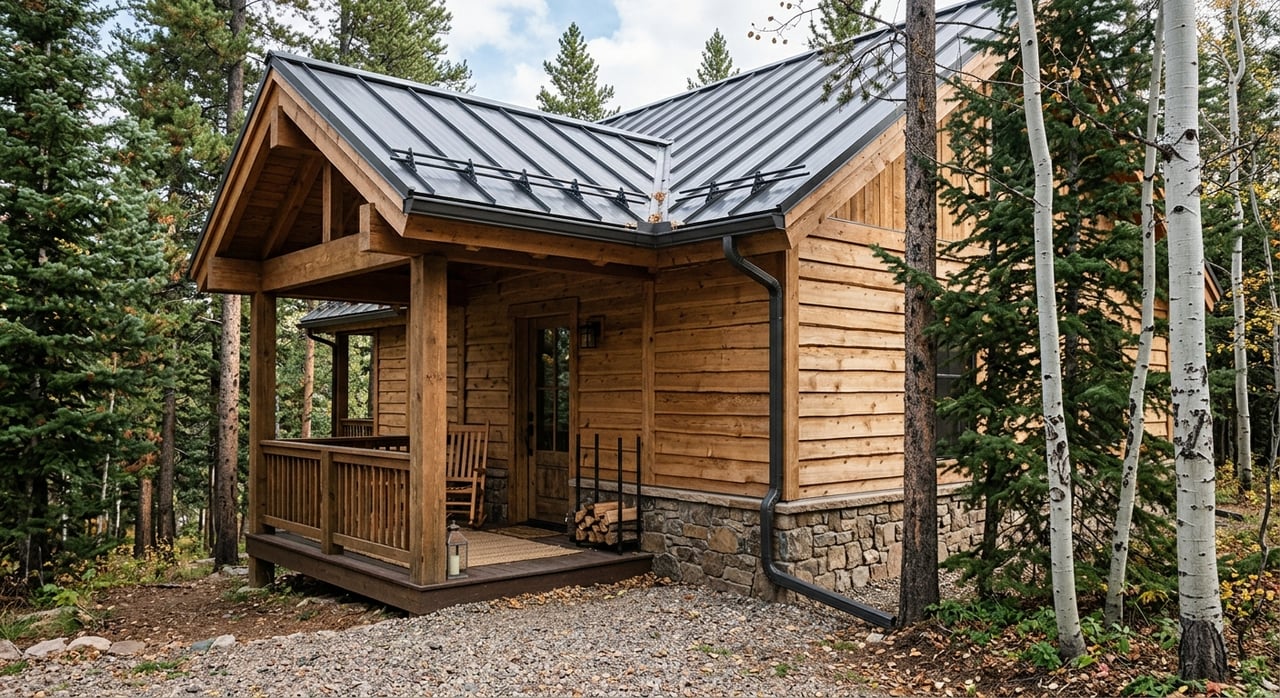
If you are thinking about buying mountain property for the long haul, Evergreen deserves a closer look. It offers the kind of scenery, year-round lifestyle, and retreat feel that draw buyers in, but long-term success here depends on more than just finding a beautiful home. When you understand how Evergreen works as a mountain market, you can make a smarter decision about use, upkeep, and future value. Let’s dive in.
Why Evergreen Fits Long-Term Ownership
Evergreen is a mountain community in Jefferson County with a mix of residential areas, open space, and activity centers. According to Jefferson County’s Evergreen Area Plan, the area ranges from more active centers to low-density suburban and rural settings, with large natural areas shaping the community’s character.
That matters if you are investing for long-term use. Evergreen is not just a place people pass through on weekends. It supports full-time living, second-home ownership, and longer-horizon property holding in a way that matches its mountain setting.
It also benefits from proximity to Denver. Colorado tourism materials note that Evergreen sits about 35 minutes west of Denver, giving you access to mountain living without feeling fully disconnected from metro services, jobs, and travel routes.
Evergreen’s Lifestyle Is Part of the Value
A big part of Evergreen’s appeal is the lifestyle tied to the property. Downtown Evergreen, Evergreen Lake, hiking access, winter skating, summer paddling, and nearby Red Rocks all add to the area’s long-term use value.
Jefferson County’s local history supports that same theme. Hiwan Heritage Park began as a summer retreat in 1893, and Evergreen later evolved into a year-round community. That history helps explain why many buyers still view Evergreen as a place for legacy ownership, family use, or a retreat that becomes more meaningful over time.
For many buyers, that means the property itself is only part of the investment. Privacy, setting, views, and access to outdoor recreation often carry as much weight as square footage or interior finishes.
Property Types in Evergreen
Evergreen offers several property paths, but not every option works the same way over time. Jefferson County plans for low-density residential land use across much of the mountain area, while condos, townhomes, and apartments are more concentrated in activity centers and neighborhood centers.
Downtown Evergreen is planned as a mixed-use area with specialty retail, restaurants, offices, lodging, public open space, and higher-density housing. Outside those centers, the county’s planning guidance supports a lower-impact mountain character.
That gives long-term buyers a few common models to consider:
- A full-time mountain residence
- A second home for seasonal or frequent use
- A legacy cabin or family gathering place
- A rental hold, if zoning and property conditions support that use
The key is matching the property type to your real plan. A cabin that works beautifully for family retreats may not work as well for rental operations, and a home close to town may offer easier year-round use than a more remote parcel.
Think Beyond Appreciation Alone
In Evergreen, long-term value is about more than market appreciation. You also need to weigh how you plan to use the property, what it will cost to carry, and how flexible it will be when you decide to sell.
This is especially important in a mountain market. Terrain, access, wildfire preparation, drainage, septic systems, and seasonal maintenance all affect real ownership costs in ways that buyers from suburban markets may not expect.
A smart Evergreen purchase usually balances three things:
- Use value for your lifestyle or long-term plan
- Carrying cost for maintenance, utilities, and site demands
- Exit value for future resale appeal and marketability
When those three parts line up, the property can serve you well for years.
Budget for Mountain Ownership Realistically
Mountain property can be rewarding, but it is rarely low-maintenance. Evergreen sits at 6,985 feet elevation, and NOAA climate normals for 1991 to 2020 show 18.62 inches of annual precipitation and 80.8 inches of annual snowfall.
That snowfall is not just a winter postcard detail. In practice, it means you should plan for recurring snow and ice management, winter access issues, and ongoing roof and driveway maintenance.
A realistic mountain-property budget should account for:
- Snow removal and ice management
- Roof and gutter maintenance
- Driveway upkeep and site access work
- Exterior maintenance tied to weather exposure
- Reserve funds for steeper or more complex parcels
If you plan ahead for those costs, long-term ownership becomes much easier to manage.
Wildfire Preparedness Is a Core Cost
Wildfire is one of the most important ownership issues in Evergreen. Jefferson County’s Evergreen Area Plan states that wildfire is a constant threat in mountain areas and identifies steep slopes, water supply, wildlife, transportation, and historic structures as key planning concerns.
The Colorado State Forest Service also makes clear that wildfire preparation is not a one-time task. It requires ongoing maintenance. The agency specifically highlights steps like Class A roofing, clearing leaves and needles from roofs and gutters, and screening vents with 1/8-inch mesh.
Jefferson County is also updating local rules. The county says its new wildfire resiliency code, WUI overlay map, and related zoning amendments were approved and will take effect July 1, 2026.
For long-term buyers, the takeaway is simple. Wildfire mitigation, defensible space, and structure hardening should be part of your ownership planning from day one, not treated as optional upgrades.
Utilities and Site Systems Matter More Here
Not every Evergreen property functions like a typical suburban home. Jefferson County notes that some mountain areas rely on wells and onsite wastewater treatment systems.
That can affect both day-to-day use and long-term resale. Even if you are not buying with rental plans in mind, the condition and legal status of water and wastewater systems matter because they shape occupancy, maintenance, and future buyer confidence.
If a property uses well and septic systems, it is worth evaluating:
- Current system condition
- Service history and maintenance needs
- Legal status and permitting
- Capacity for your intended use
These are not side details in a mountain purchase. They are part of the property’s core function.
Floodplain Review Can Be Important
Some parts of Evergreen need extra drainage and floodplain review. Jefferson County’s Evergreen Area Plan says much of Downtown Evergreen and Kittredge was constructed in the floodplain.
If you are looking near Bear Creek or in lower-lying areas, floodplain review should happen before closing. This can affect insurance needs, site planning, and how you evaluate total carrying cost.
Not every property will have this issue, but it is important enough in certain pockets that it should be part of your due diligence checklist.
Rental Potential Requires Careful Underwriting
Some buyers look at Evergreen mountain property as a long-term rental hold. That can make sense in the right situation, but it is important to stay conservative with income assumptions.
Realtor.com reported a median monthly rental price of $4,050 in ZIP code 80439 in March 2026, but only seven rentals were listed. That is a thin sample, so local rent comps should be verified before you rely on projected cash flow.
Short-term rental use also requires attention to county rules. Jefferson County adopted Section 46 for short-term rentals on December 16, 2025. Jefferson County Public Health states that a short-term rental is the rental of all or part of a single-family residence or ADU for fewer than 30 nights, with no more than one permit per operator in unincorporated Jefferson County.
The county also requires the dwelling to be legally established, to have potable water, and to have a permitted septic or sewer connection if used as a short-term rental. It must also be a permittable use under current zoning, provide adequate on-site parking, and operate without unreasonable disturbances.
If rental income is part of your long-term strategy, verify zoning, permits, utility compliance, and current county rules before making any purchase assumption.
Evergreen Market Data Needs Context
Market headlines can be useful, but they do not tell the whole story. Redfin reported Evergreen’s April 2026 median sale price at $850,361 and described the market as very competitive, with homes selling in 18 days.
At the same time, Realtor.com described Evergreen as a buyer’s market in March 2026, with a median listing price of $969,000, 248 homes for sale, and a median of 36 days on market. Those differences are a good reminder to compare the time period, comp set, and methodology behind any market statistic.
Micro-location also matters a great deal in Evergreen. Realtor.com reported neighborhood listing medians ranging from about $799,000 in Hiwan Hills to $1.295 million in Genesse Central. That spread suggests that location, parcel features, view corridors, and access can shape value as much as the broader Evergreen name.
What to Look For in a Long-Term Evergreen Buy
A strong long-term Evergreen property usually checks more than one box. It should fit your lifestyle goals today while still making sense from a maintenance and resale standpoint tomorrow.
As you evaluate options, focus on questions like these:
- Is the access workable year-round?
- How much ongoing snow management will the site need?
- Does the property show signs of wildfire preparation?
- Are drainage or floodplain concerns present?
- If there is a well or septic system, what is its current condition?
- Does the property’s setting support your long-term use plan?
- If rental use matters, does zoning and site function support it?
The right property is not always the flashiest one. Often, the better long-term buy is the one that combines mountain appeal with manageable ownership demands.
A Long-Term View Helps You Buy Better
Evergreen can be an excellent place to invest for long-term use if you approach it with clear eyes. It offers a rare mix of mountain setting, year-round livability, and legacy appeal, but it also asks more from owners in terms of maintenance, site awareness, and regulatory review.
That is why local guidance matters. When you understand the details behind access, wildfire resilience, utilities, floodplain pockets, and neighborhood differences, you can choose a property that fits both your goals and your budget.
If you want help sorting through Evergreen options with a practical, local perspective, Kimberly Tutor can help you evaluate properties with both lifestyle and long-term value in mind.
FAQs
What makes Evergreen mountain property a long-term investment option?
- Evergreen supports several long-term ownership models, including full-time living, second-home use, legacy ownership, and some rental holds, depending on zoning and property conditions.
What costs should you expect with Evergreen mountain property?
- You should budget for snow and ice management, wildfire mitigation, exterior upkeep, possible well and septic service, drainage review where needed, and access or driveway work on steeper parcels.
How much snow does Evergreen, Colorado get each year?
- NOAA data for the Evergreen station shows 80.8 inches of annual normal snowfall based on 1991 to 2020 climate normals.
What wildfire issues should you review before buying in Evergreen?
- You should review defensible space, roof and vent materials, ongoing vegetation maintenance, and how upcoming Jefferson County wildfire resiliency rules may affect the property after July 1, 2026.
Are floodplains a concern for Evergreen property buyers?
- In some areas, yes. Jefferson County notes that much of Downtown Evergreen and Kittredge was built in the floodplain, so buyers in lower-lying areas should review floodplain status before closing.
Can you use an Evergreen home as a short-term rental?
- Possibly, but only if the property meets current Jefferson County zoning, permit, water, wastewater, parking, and operating requirements for short-term rentals in unincorporated areas.